Published April 8, 2020
Buying a Home?

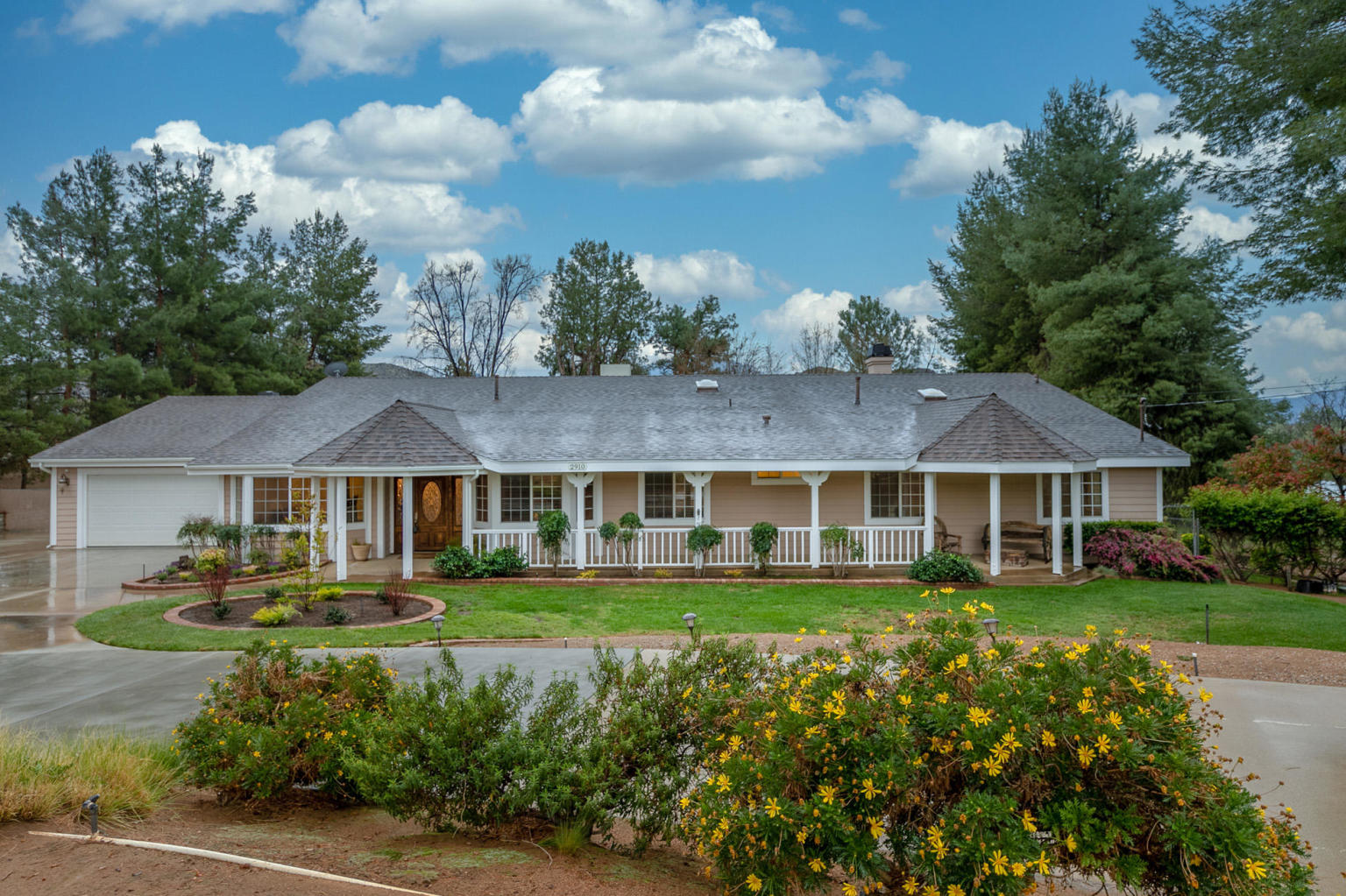
Whether This Is The First Time Or The One Hundredth Time Purchasing A Home, You Have Come To The Right Place!
Getting Started!
Depending
on which type of buyer you are (see below), the process is a little different
for each category. In most cases, you will need to speak with a lender
(unless you are paying cash) to see how much money you are able to borrow as a
mortgage. This is based on your current income, credit scores, and outstanding
debts. Speaking with a lender will also help you decide which type of loan you
want to get (FHA, VA, Conventional), and the lender will help explain which
loan will work best for you.
Once you know how much you can afford, keeping in mind what you can afford and
what you want to afford are usually two totally different things, then for
First Time Buyers and Investors it’s time to start the home finding process.
BROWSE ALL HOMES
CURRENTLY FOR SALE!
If you are a Move-Up Buyer, this is when you will need to decide if you want to
keep the home you currently own, or sell it and use the proceeds as your down
payment on the new home.
FIND OUT HOW MUCH
YOUR HOME IS WORTH!
One EXTREMELY Important Warning
Once
you have been approved for your loan to purchase your home, DO NOT open any new credit
cards or get a loan of any kind. Do not make any big purchases (appliances,
furniture, etc…) without first consulting your lender. The same goes for
CLOSING any accounts you have. Opening or Closing any new accounts will have a
severe impact on your credit and debt to income ratios. I have seen many people
open or close an account during the home buying process, and as a result, they
are no longer able to purchase a home.
Picking The Right Property For You
There
are a lot of factors to consider when you are narrowing down your search for
homes. Below is a list of things to consider when you are looking for a home that
will fit your needs:
Price: The number one
factor should always be price, you don’t want to start looking for homes that
are above your comfort level.
Area: After deciding on
which price range you are comfortable in, you should then start narrowing down
the areas (which neighborhood, city, or part of town) you would like to live
in. If you are a move-up buyer, you may decide that the area is the most
important factor, then look in that area to see if you are able to afford
living there.
Amenities: After Price and the area it is time to start looking at amenities. How many bedrooms do you want,
do you want to be on a corner lot or cul-de-sac street, do you want RV access,
do you want to have block wall fencing, do you want a single-story home or a
two-story home, do you want a pool, etc… If you narrow your search down too
far, you may want to go back through the amenities list and start
looking at wants versus needs, and decide what features you are willing to do with
out.
Timing: Depending on how
much time you have before you need to make your move, you may want to eliminate
viewing certain sale types. A normal time frame to close escrow (after placing,
and having an offer accepted on a property) is 30-45 days. This usually varies
on your financing type. A Standard (Equity) Sale is usually a pretty
quick process, however, if the person selling the home can’t move until a
certain date then this may not work for you. Foreclosure and Flip (Investor
Owned) properties are a close second for how quickly the sale of the property
can take place. In some instances, they are quicker than an owner-occupied
standard sale, and can close as fast as you can get your loan. Short Sales and
Probate Sales typically take the longest, but in some cases, they can move as
quickly as any other sale (if they have already been approved).
Once Your Offer Has Been
Accepted
This is
when the process becomes real to most people. This is where you have to start
writing checks, and coming out of pocket for inspections such as the home
inspection and appraisal. Below is an overview of the life of an escrow,
however, every deal is different and some parts of the process are out of our
control.
Out of Pocket Expense: You will need to write a check to the escrow
company for the deposit amount we negotiate in our offer with the seller. The
deposit is refundable as long if we cancel before we release our contingencies,
which typically happens about two weeks after we open escrow. If you choose to
do a home inspection (highly recommended) you will need to pay the inspector at
the time of inspection. The inspections start around $250.00 and the prices
will vary based on location and size of the home. The cost of the home
inspection is not refundable. If you are obtaining a loan to purchase the
home, you will need to pay for an appraisal (this is ordered by your lender).
Appraisals typically cost around $600.00, and the cost can vary depending on
several factors. The cost of the appraisal is not refundable.
Then at the end of the escrow, about a week before we close, you will
need to bring in the balance of your down payment and closing costs.
Opening
Escrow: Once your offer has been accepted (seller has signed the
offer or counter offer) the contract is sent to a third-party company, which
is an Escrow Company. The escrow company will handle all the receiving and
disbursing of funds, order a couple of the reports, and help the buyer and the seller with completing the appropriate paperwork to transfer ownership and
record the information with the County.
Deposit
Check: Once the escrow company has received the contract and
provided an Escrow Number, you will need to write your deposit check payable to
that escrow company, for the amount agreed upon in the purchase agreement.
Inspections: We will need to
order a home inspection (if you elected to have one, we highly recommend doing
so), if you don’t know of any home inspectors we will be happy to provide you
with a list of people to choose from. If you would like to have any other
inspections are done, now is the time to order them. Other inspections would
include a roof inspection/certification, septic inspection/certification,
termite inspection, heating, and air conditioning inspection, pool and spa
inspections, etc… You will also want to check out public information regarding
the neighborhood, such as http://www.crimereports.com and http://www.meganslaw.ca.gov/, in addition to you
driving through the neighborhood at various times of the day and different days
of the week.
Appraisal: As soon as we have
the executed contract, we send it to your lender and have them order the
appraisal. It usually takes 7-10 days for the appraisal to come back in, unless
it is a VA appraisal which takes around 15 days to come back in. These time
frames are subject to change due to how backed up or how light the appraiser’s
schedule is, which is why it is so important to get it ordered as soon as
possible.
Disclosures: The seller has a
list of disclosures they need to complete and provide to us for you to review
and sign. Depending on the sale type (standard, flip, probate, short sale,
foreclosure) the number of forms the seller is required to provide will
vary. If there is a home owner’s association (HOA), mello roos (special tax
assessments), or any other material fact affecting the property the seller will
need to let us know this information as well. We highly recommend getting the Natural Hazards Disclosure Report as well, even if the seller does not
agree to pay for it. This report will let you know if the property is located
in any kind of Natural Hazard Zone, such as fire, flood, earthquake zones that
will require you to have additional property insurance policies. The seller and
escrow company will also provide a preliminary title report to us, which will
let us know of any items affecting the title of the property like liens, tax
assessments, and if there are any pending easements on the property that will
affect future development.
Request
For Repair: If there are any items we would like the seller to repair
(items that were called out on any of the inspections
or appraisal report), we have to submit our request to the seller
within 17 days of our offer being accepted. The seller is
not obligated to complete any of these repairs, but it is definitely
a negotiation point. If we can not come to an agreement, you are able
to cancel the escrow and get your deposit back (as long as everything was
completed on time). Usually, however, the seller will complete any repairs
called out on the appraisal as they need to be completed in order
for you to get your loan and proceed with closing, as long as the costs are not
a large dollar amount. This process is subject to change depending on the sale
type, and we will explain this to you on a case by case basis.
Contingency
Removal: This is the turning point of the escrow process. After our
17 day inspection period has ended, the seller may require us
to sign a form called the Contingency Removal. This form (in a nutshell) states
that we have completed all of our inspections,
appraisal, reviewed the disclosures, and are completely satisfied
with the information we know about the property. By signing this form your
deposit will become jeopardized if you do not close the escrow. This is a topic
that is best explained in person, which we will be more than happy to discuss
with you at any time.
Signing
Loan Documents: This is the last big task for you. Signing your loan
documents takes approximately two hours and is the last chance for your
payment and loan fees to change (as long as we close escrow on time). This will
include your payment amount, as well as a breakdown of the payment, and commits
you to pay the mortgage on your new home. Typically, we are able to close
escrow within one week of your signing the loan documents. Some lenders are able
to do it quicker.
Final
Walk Through: A few days before we close escrow we take one last walkthrough
the house to make sure everything is still the way it is supposed to be, and
that the home had not been vandalized, or the seller had not removed anything
they weren’t supposed, and that there were not any unexpected damages from
issues like a roof leak or malfunction with the plumbing.
Funding: This is the last
event that takes place before the closing. After your lender reviews the
loan documents you signed and ensures everything has was done
correctly, they will wire their funds to the escrow company to close. You
will (usually, unless you are obtaining a VA Zero Down Loan) also need to take
your closing funds into the escrow in the form of a cashiers check if you were
not instructed to provide the cashiers check when you signed your loan
documents.
Closing: Typically closing
occurs the next business day after the escrow confirms that they have received
your closing funds, as well as your lenders funds for the balance of the
purchase price. Once the County confirms with the escrow company that the
received the paperwork transferring ownership into your name, and they have
recorded the information into the public record, we will be notified that the file
has RECORDED! This is when we have the wonderful opportunity to deliver to you
the keys to your new home! We often like to celebrate this event by taking your
picture in front of the home and giving you a copy to share with your friends.
After Closing
We will
stay in touch with you to answer any questions you may have as you go through
the process of now owning your own home, as well as provide you with
any resources we have to help you with any changes or repairs you wish to do to
your home.
Our goal is to provide you with such great service, and make the process as easy as possible for you, so that whenever you hear anyone talking about buying or selling a home you tell them that they have to call us because of the great job we did for you.